Methodology 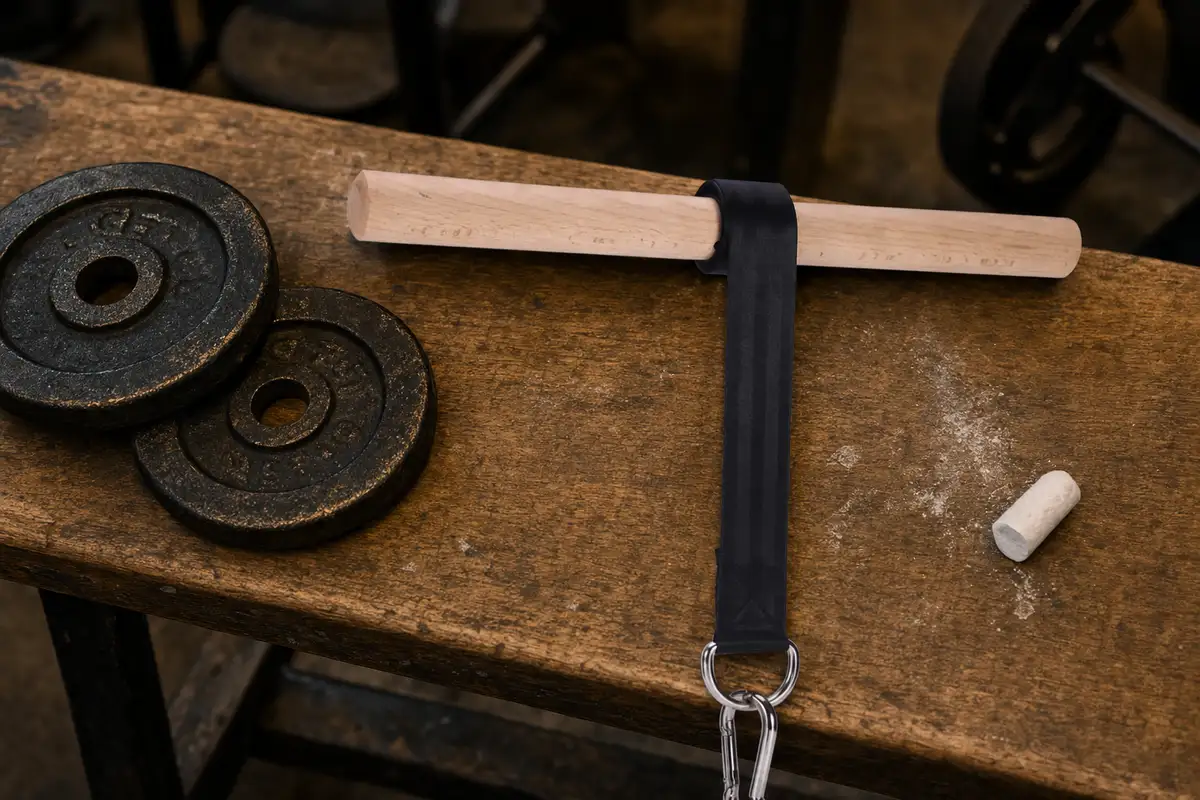
How we test forearm training gear
A small catalog lets us do something big stores cannot: actually use what we sell, and publish only what we can back up.
Our criteria
- Sourced specs only. Every dimension and material on this site comes from the manufacturer's documentation. When a spec is not documented, like the exact strap length on our roller, we say nothing rather than guess. You will find no invented numbers here.
- Real sessions under load. Before a product goes on sale, it runs through the progression programs published on this site, from the empty-strap week to the heaviest loads in our routines. The loading ladder on the homepage is the actual protocol used.
- Ratings as they are. The score we display is our supplier's verified buyer rating, reproduced with its real count, written comments quoted word for word. Twelve ratings is a modest number, and we print it rather than inflate it.
- Comparisons that name real prices. When we compare against premium alternatives, we cite the actual listed price on the competitor's own store with the year we checked it, and we say plainly when a competitor's product is the better pick for a specific goal.
- Honest limits. A $29.99 wooden roller is not a $109.95 machined steel one, and our pages say so. Wood over knurled steel is a comfort choice with a durability trade-off, grippers beat rollers for pure crush strength, and DIY builds genuinely work if you accept their weak points.
What we won't do
We won't publish specifications we cannot source, ratings we cannot show you the origin of, or benefits that outrun the evidence. Instead we back every order with a 30-day money-back guarantee, so the risk is on us, not you.